Our Verdict
FIFINE K688 Wins
It offers a superior 48 kHz sample rate and versatile USB/XLR connectivity. Choose MAONO DGM20S for its one-click noise cancellation and included boom arm for gaming setups.
Spec Comparison
10 specs compared
| Specification |  | 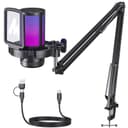 |
|---|---|---|
| Price | $68 | $44 |
| Rating | 4.6(3.7k) | 4.5(4.8k) |
| Sample Rate | 48 kHz | 0 kHz |
| Connection | USB/XLR | USB |
| Polar Pattern | Cardioid | Cardioid |
| Zero-Latency | Yes | Yes |
| Weight | 1.12 lbs | 0.77 lbs |
| Mute Button | Yes | Yes |
| Gain Control | Yes | Yes |
| Software | None | None |
| Headphone Out | Yes | Yes |
| Freq. Response | {"high":20000} | {"high":20000} |
Swipe horizontally to see all columns
Pros & Cons
Quick overview of strengths and weaknesses

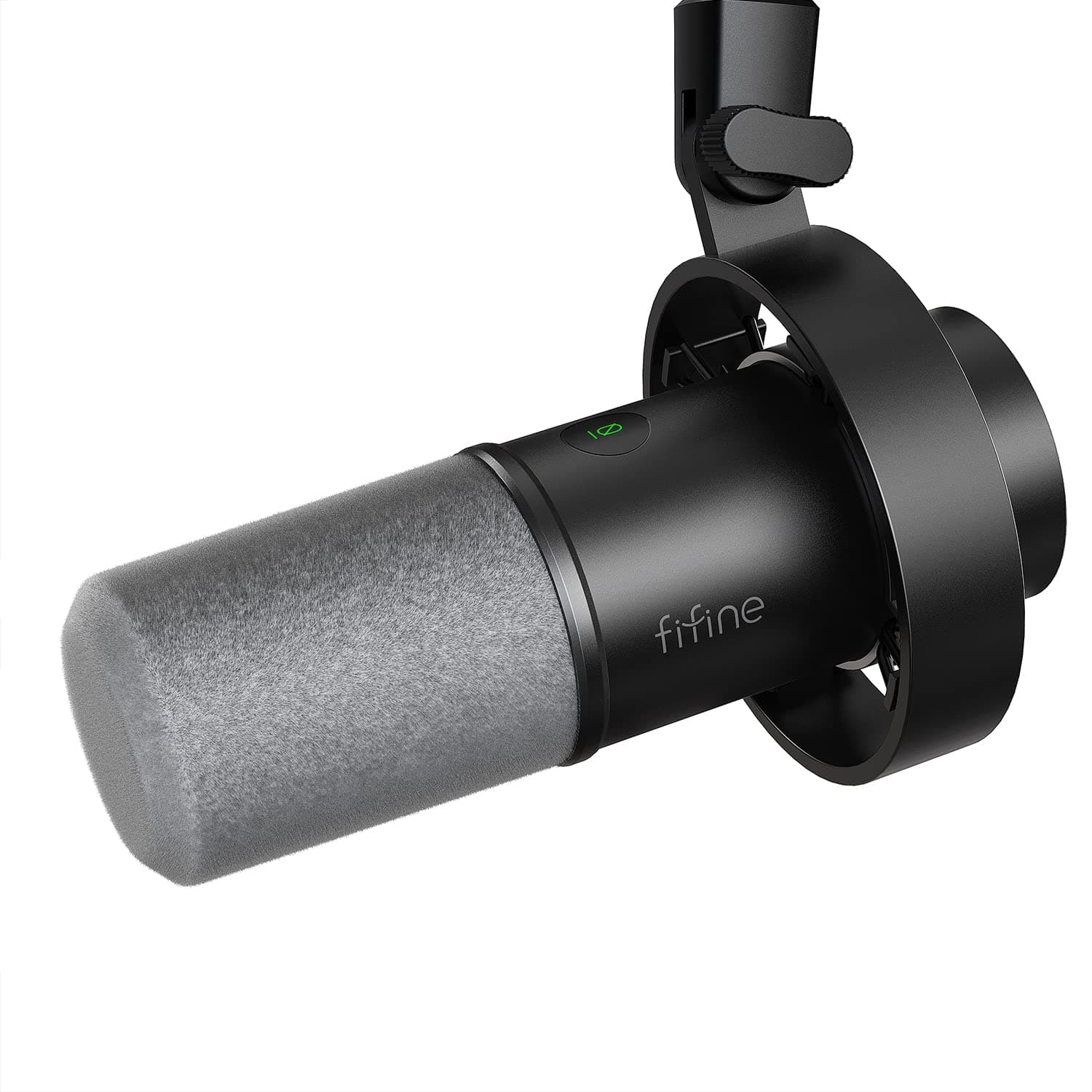
FIFINE Dynamic Microphone,
- High 130dB SPL prevents audio distortion
- Cardioid pattern reduces ambient background noise
- Dual USB and XLR connectivity options
- Plug-and-play USB for quick setup on PC/Mac
- XLR cable, boom arm, mic stand not included
- Onboard controls only function via USB connection
- Requires close mic distance for best audio pickup

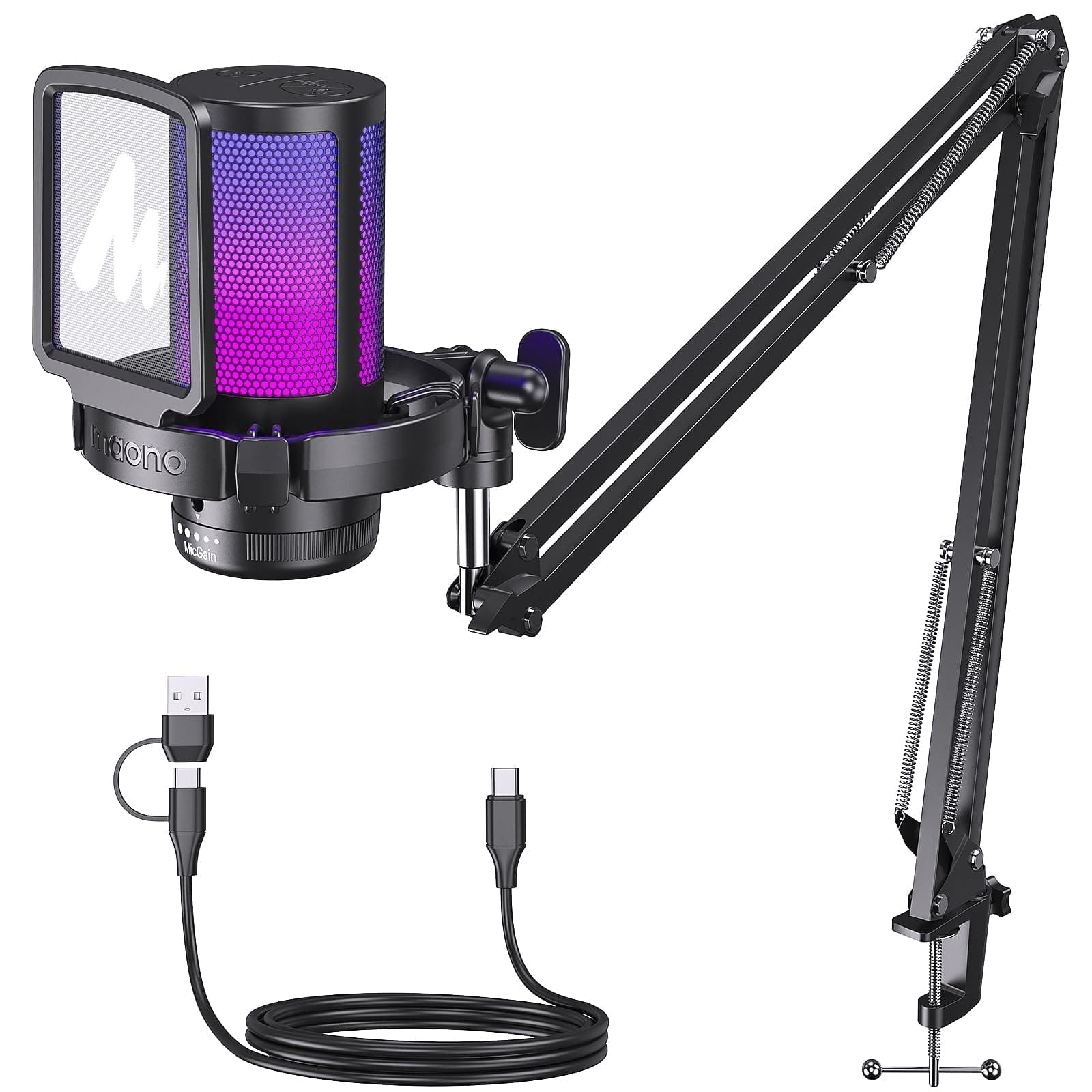
MAONO Gaming USB
- One-click noise cancellation reduces background sound.
- Cardioid polar pattern focuses voice capture.
- Integrated mute button and gain control knob.
- Zero-latency monitoring with dedicated headphone port.
- Not compatible with XBOX consoles.
- Lacks dedicated software suite for advanced control.
- RGB lighting adds no functional utility.
Frequently Asked Questions
Common questions about this comparison
Which is better for professional use or upgrade potential?
FIFINE K688 is better due to its dual USB/XLR connectivity and 48 kHz sample rate, offering more flexibility for advanced setups and higher audio fidelity. MAONO DGM20S is USB-only.
What is the main difference in connectivity?
The FIFINE K688 features both USB and XLR outputs, allowing for plug-and-play simplicity or connection to professional audio interfaces. The MAONO DGM20S is a USB-only microphone, limiting its integration options.
Does either microphone offer noise cancellation?
MAONO DGM20S includes one-click noise cancellation. The FIFINE K688 relies on its cardioid pattern and high 130dB SPL handling to minimize ambient noise and prevent distortion, but lacks a dedicated noise cancellation feature.
How does the sample rate compare between the two?
The FIFINE K688 offers a 48 kHz sample rate, providing high-quality audio capture. The provided specifications for MAONO DGM20S list a 0.0 kHz sample rate, which suggests it is not specified or a data anomaly.
Related Comparisons
Similar products people compare
Ask AI
Get instant answers about specs
Get the Deets
Ask our AI assistant
Ask Deets anything!