Our Verdict
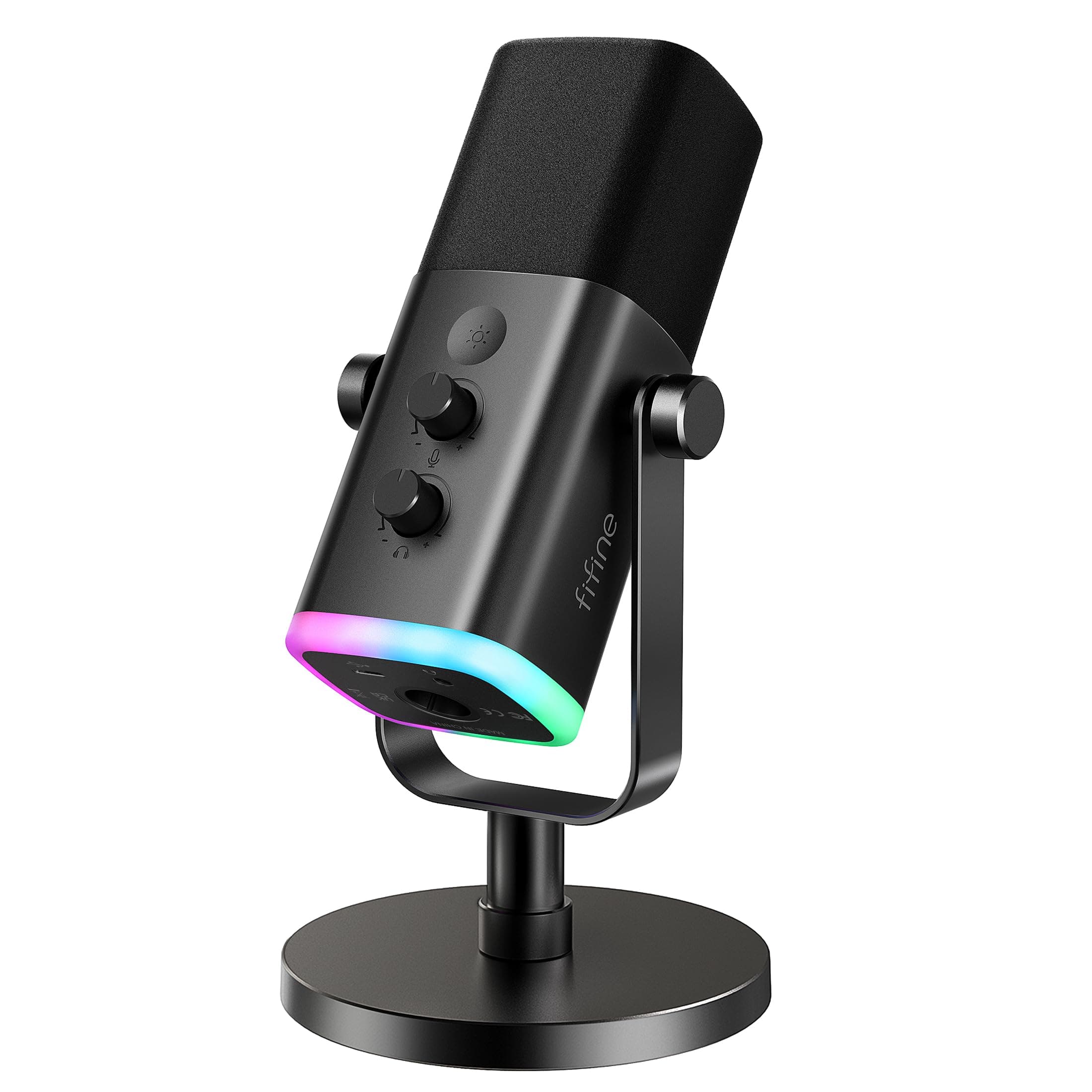
FIFINE AM8 Wins
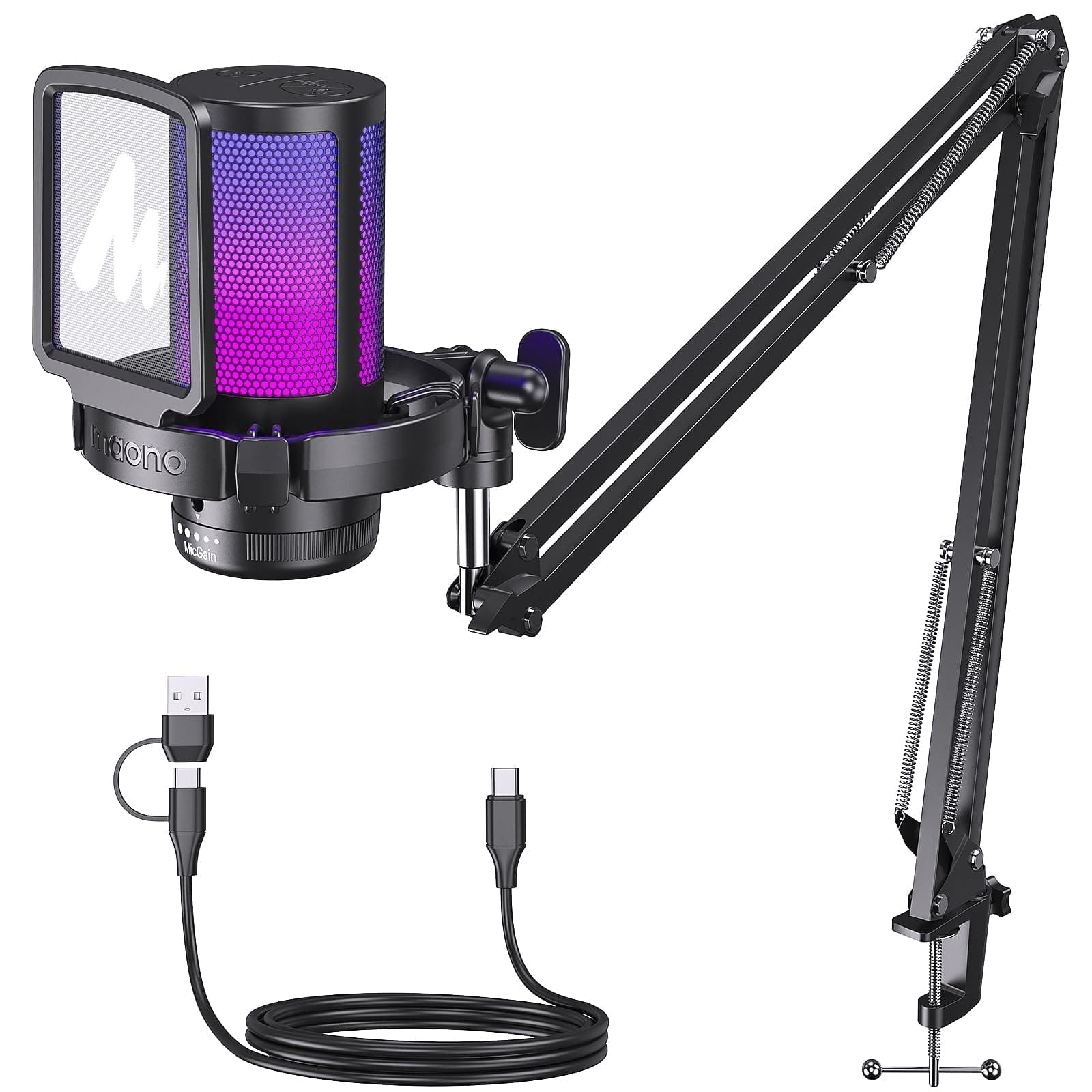
It offers a clear 48.0 kHz sample rate and versatile USB/XLR connectivity. Choose MAONO DGM20S for its one-click noise cancellation for simpler USB-only setups.
Spec Comparison
10 specs compared
| Specification |  | 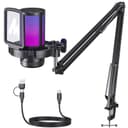 |
|---|---|---|
| Price | $55 | $44 |
| Rating | 4.6(9.6k) | 4.5(4.8k) |
| Sample Rate | 48 kHz | 0 kHz |
| Connection | USB/XLR | USB |
| Polar Pattern | Cardioid | Cardioid |
| Zero-Latency | Yes | Yes |
| Weight | 1.32 lbs | 0.77 lbs |
| Mute Button | Yes | Yes |
| Gain Control | Yes | Yes |
| Software | None | None |
| Headphone Out | Yes | Yes |
| Freq. Response | 50Hz - 16kHz | {"high":20000} |
Swipe horizontally to see all columns
Pros & Cons
Quick overview of strengths and weaknesses

FIFINE USB/XLR Dynamic
- USB and XLR connections offer setup versatility.
- Cardioid pattern minimizes off-axis sound pickup.
- Tap-to-mute button provides instant privacy control.
- Headphone jack allows real-time audio monitoring.
- RGB & USB functions inactive when using XLR.
- XLR connection requires separate cable.
- No dedicated software for advanced control.

MAONO Gaming USB
- One-click noise cancellation reduces background sound.
- Cardioid polar pattern focuses voice capture.
- Integrated mute button and gain control knob.
- Zero-latency monitoring with dedicated headphone port.
- Not compatible with XBOX consoles.
- Lacks dedicated software suite for advanced control.
- RGB lighting adds no functional utility.
Frequently Asked Questions
Common questions about this comparison
Which microphone is better for a versatile podcasting setup?
The FIFINE AM8 is better for versatile podcasting due to its dual USB/XLR connection and specified 48.0 kHz sample rate. The MAONO DGM20S is strictly USB and lacks a clear sample rate specification, limiting its adaptability.
What is the main difference in connection types?
The FIFINE AM8 features both USB and XLR connections, providing flexibility for different audio setups, from plug-and-play to professional interfaces. The MAONO DGM20S is limited to a USB connection only, making it straightforward for direct computer use but less adaptable.
Which microphone handles background noise better or offers clearer audio?
The MAONO DGM20S has one-click noise cancellation to reduce background sound, which is beneficial for noisy environments. The FIFINE AM8 offers a clear 48.0 kHz sample rate for good audio fidelity, though it lacks built-in noise cancellation.
Do these microphones come with a software suite for advanced controls?
Neither the FIFINE AM8 nor the MAONO DGM20S includes a dedicated software suite. Both rely on convenient on-mic controls for features like gain and mute, aiming for a plug-and-play user experience rather than complex software adjustments.
Related Comparisons
Similar products people compare
Ask AI
Get instant answers about specs
Get the Deets
Ask our AI assistant
Ask Deets anything!